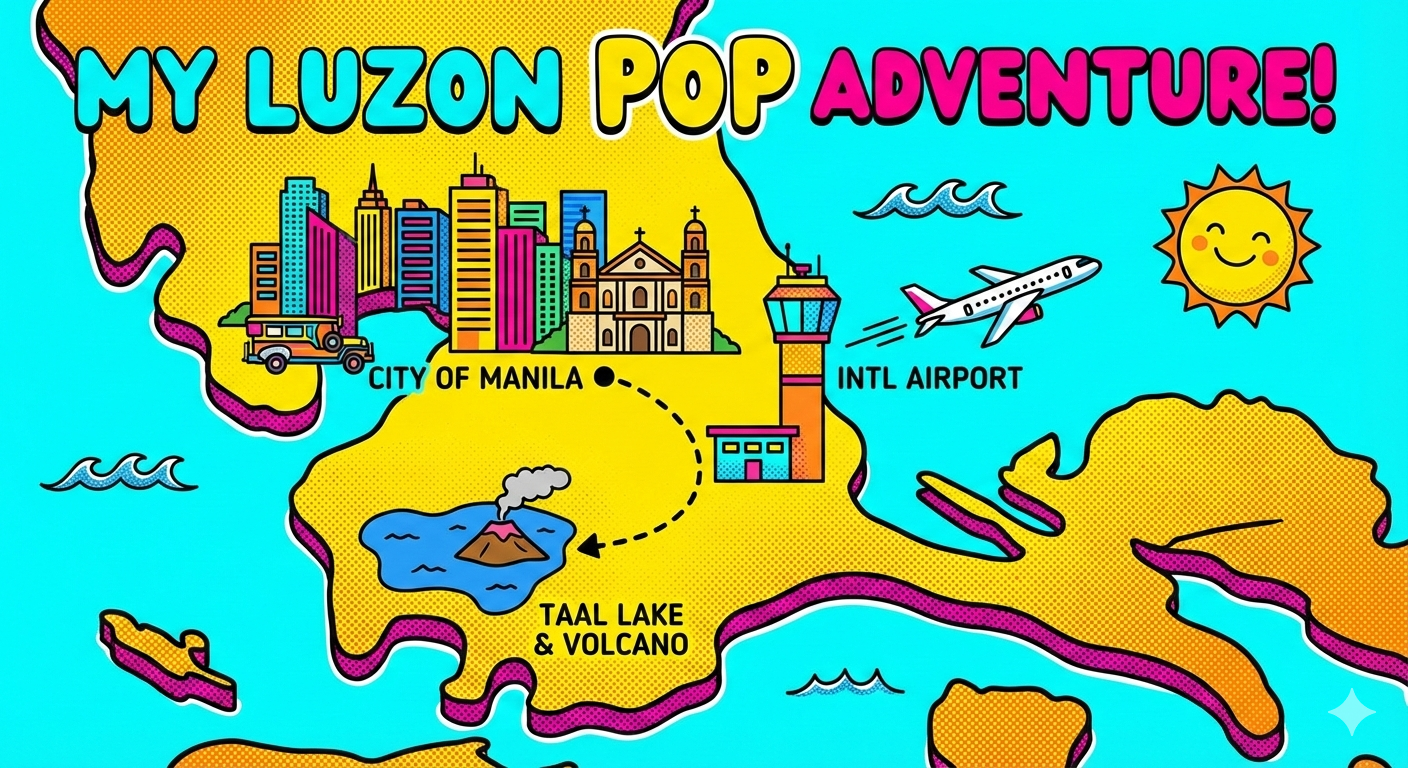
After arriving at Manila Ninoy Aquino International Airport, we had to make our own way to our friend’s house. Both our friends and the locals strongly recommended using the ride-hailing app, Grab.
Once we actually tried it, we found it to be surprisingly safe and convenient! After using it many times throughout this trip, I’ll be sharing the details on how to use it, its benefits, and the features that parents traveling with children will love.
How to Use Grab and Why It’s So Great!
Grab is a service that allows you to call a car using just a single smartphone app. Here are the benefits I experienced firsthand:
Dedicated Pick-up Points at the Airport
The airport features dedicated Grab pick-up points with staff available, so even first-time visitors can feel at ease without getting lost. While seeing so many private cars waiting outside the airport was a bit overwhelming at first, being able to specify my exact pick-up location through the Grab app gave me a great sense of security.
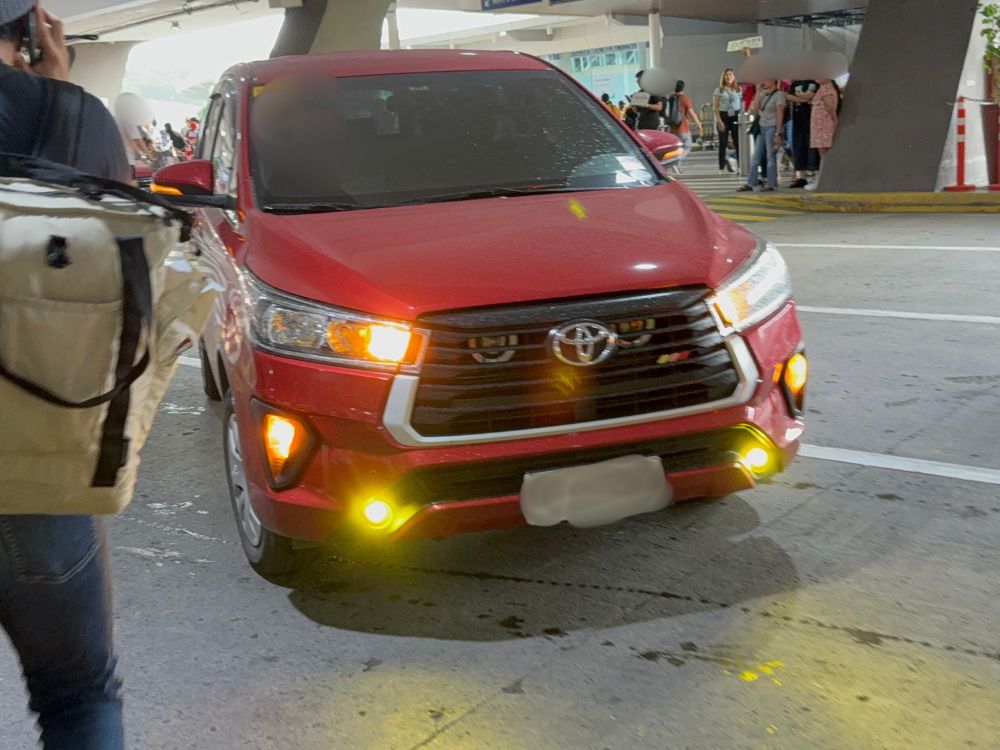
Once you specify your pick-up point and destination in the app, a driver is automatically assigned to you. If the location is hard to find or if it’s difficult for the driver to identify you, you can use the in-app messaging or call them directly, so there’s no risk of getting into the wrong car.
Even though the airport was crowded with many cars in front and behind us, I sent a quick message saying, “I’m near sign number 14,” and the driver was able to spot us immediately.
No Need to Worry About Being Ripped Off
The fare is locked in the moment you enter your destination in the app, and payment is automatically processed via your registered credit card. It’s a huge relief not having to carry around extra cash (Note: Toll fees are charged separately, but these can also be paid through the app).
In the Philippines, expressways seem to be managed by multiple companies even over short distances; depending on the route, we passed through two toll booths. Each section cost only a few hundred pesos, about 100 to 200 PHP ($1.75 to $3.50 USD), so it wasn’t expensive like toll roads in Japan.
There are many concerns with regular street taxis, such as broken meters or the possibility of being charged inflated “tourist prices.” Neither the locals nor the guidebooks ever recommended taking them. It was clear that Grab is by far the safest and most reliable option.
No Language Barrier to Fear
You can chat with the driver within the app, and I actually found out that it has an automatic translation feature! I didn’t notice it for a while, but as a Japanese speaker, it’s a really helpful function. Since English isn’t the native language for the drivers either, it provides a great sense of security for both of us.
Short Wait Times
There are always many cars driving around nearby, and we were picked up in less than 5 minutes after booking. However, due to traffic conditions, there were rare occasions when a driver asked us to cancel. In those situations, I think it’s best to move to a spot that’s easier for them to pick you up.
To avoid any panic once you arrive, I highly recommend downloading the app and pre-registering your credit card while you are still in your country!
Selecting Your Vehicle Type
How to Choose Your Vehicle Type
On Grab, you can choose the type of vehicle that best suits your group size and amount of luggage.
In addition to the standard 4-Seater, you can select a 6-Seater when you have a lot of bags or simply want more space for the family to relax. The 6-Seater is slightly more expensive, but the difference is small. Every car we used was surprisingly clean and well-maintained.
Price Estimates
For a trip of about an hour and a half using the expressway: Base fare + Tolls = approximately 5,000 JPY ($31.40 USD).
Surcharges are applied during weekends and nighttime. Also, the fare varies depending on the vehicle size. Even when we chose a 4-Seater, the car we used had space in the back for luggage. For short distances like moving within the city, you can travel much more cheaply.
Traffic Congestion
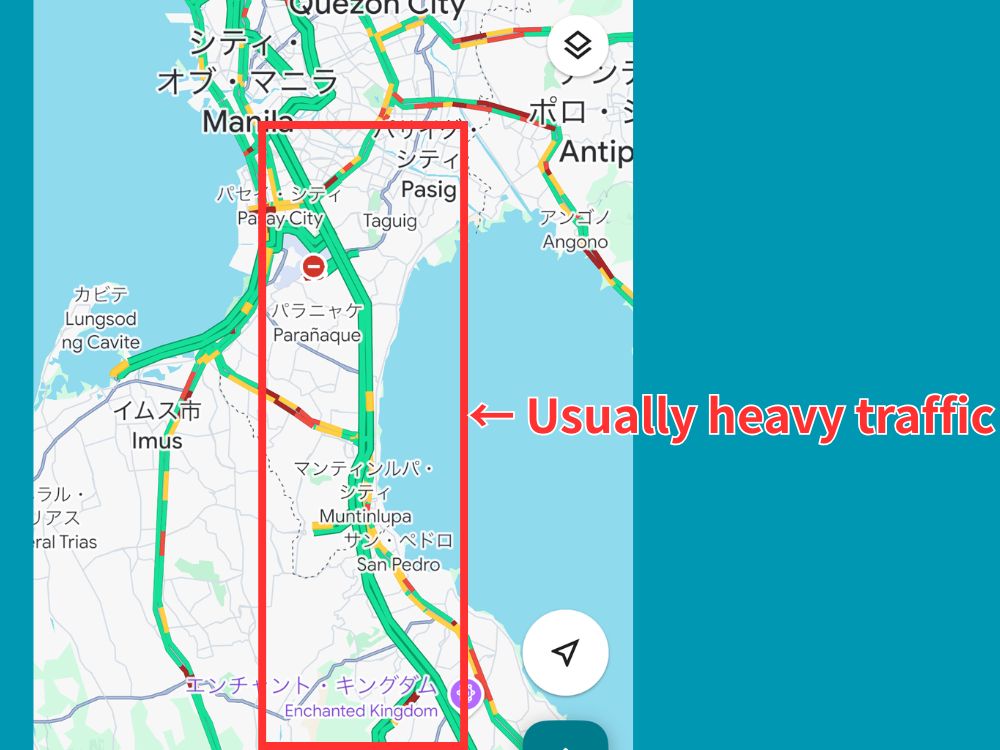
About 90% of the population in the Philippines is Christian. The expressways leading to Manila are always congested, and they stay busy all day on Saturdays as well. On Sundays, roads are clear in the morning while people are at church, but massive traffic jams start from the evening. You should expect a typical one-hour trip to take about an extra 30 minutes.
日曜日の午前がこの画像のように比較的空いている傾向があるようですのでこの時間帯の移動はおすすめです。
By the way, this road has three or more lanes, likely due to the high volume of traffic. Depending on the time of day, one of the inbound lanes switches to become a Manila-bound lane. Because of this, you get the sensation of driving on the wrong side of the road (lol).
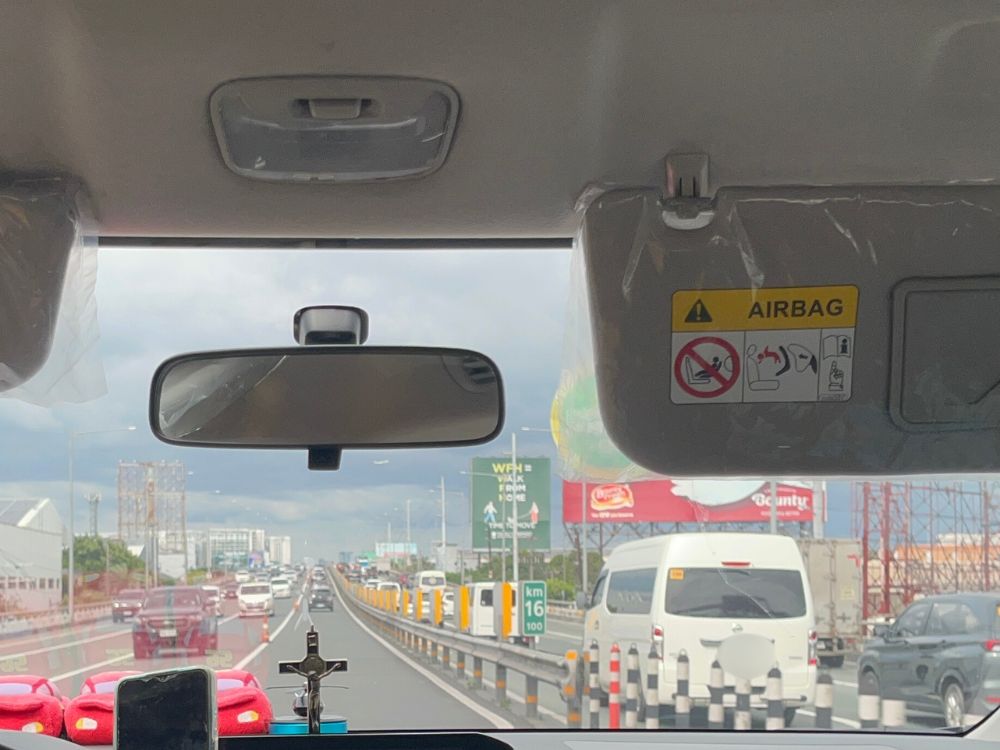
Early December is right in the middle of the Christmas season! Apparently, it’s the time when everyone goes out to buy presents, so we got caught in even worse traffic than usual. The Philippines is said to be the country that celebrates Christmas the earliest in the world, with the holiday mood starting as early as September! It seems like we happened to visit during the most congested time of the entire year (lol).
Why is it safe? We asked the driver!
The Power of CCTV (Surveillance Cameras)
Cameras are installed everywhere to constantly check for violations, and if a photo is taken, the driver apparently receives a high-cost bill later. Because of this, I hardly saw any reckless cutting-in or dangerous driving.
Grab’s Own Rules
Grab vehicles are apparently prohibited from having tinted windows for crime prevention purposes (since it’s a hot country all year round, other cars had tint even on the front windshield). Furthermore, if the driver deviates from the initially set route, they receive an immediate call from the Grab call center, and their speed is constantly displayed on the app, meaning they are under continuous monitoring.
Customer Ratings
After getting out, users rate the driver. Since they are constantly being evaluated, it’s a system that ensures a higher quality of service is provided.
Child Seat Situation for Families with Kids
While child seat usage is technically mandatory under Philippine law, the reality seems to be that it’s not strictly enforced. In an environment where seeing four people crammed onto a single motorcycle or riding in a jeepney is the norm, just being in a passenger car felt significantly safer (lol).
When booking our Grab, I mentioned “2 adults and 2 children” in advance, and we were never once canceled on for having kids. Since we were told that “conspicuous violations get caught by CCTV and the driver gets billed later,” we made sure the children stayed away from the windows to avoid drawing attention while we rode.
Conclusion
We relied on Grab many times during this trip. From friendly drivers to those who drove quietly, they were all consistently kind and their driving was very careful.
Thanks to Grab, we were able to travel safely even after it got a bit dark! If you are planning a trip to the Philippines, I highly recommend making use of it.
I hope this is helpful!