For my trip from Tokyo to Toba, I decided to try the Isewan Ferry for the very first time.
I’ll be diving into the details of how the overland route compares to the ferry in terms of distance, time, and cost—and, of course, sharing my honest thoughts on the actual experience.
日本語版はこちら↓
troducing Ise Bay: A Sea of Blessings and Tradition
Ise Bay is a unique and storied body of water located in the heart of Japan, serving as a gateway to some of the country’s most profound cultural treasures.
Nature & Geography
Surrounded by Mie and Aichi prefectures, the bay is known for its exceptionally calm waters. It is fed by several of Japan’s major rivers, which carry rich nutrients from the mountains to the sea. This creates a fertile ecosystem and a stunning, jagged coastline (rias coast) that has captivated travelers for centuries.
History & Spirituality
For over 2,000 years, Ise Bay has been the spiritual entrance to the Ise Grand Shrine, Japan’s most sacred site. The area is also home to the legendary Ama divers—women who free-dive for pearls and seafood. Their tradition of living in harmony with the sea is a beautiful reflection of the Japanese spirit.
World-Class Treasures
This bay is truly a “treasure trove of seafood.” It is famously the birthplace of cultured pearls, producing gems of world-class quality. It is also the namesake home of the luxurious Ise Lobster, a symbol of high-end Japanese cuisine.
How much time and distance can you actually save?
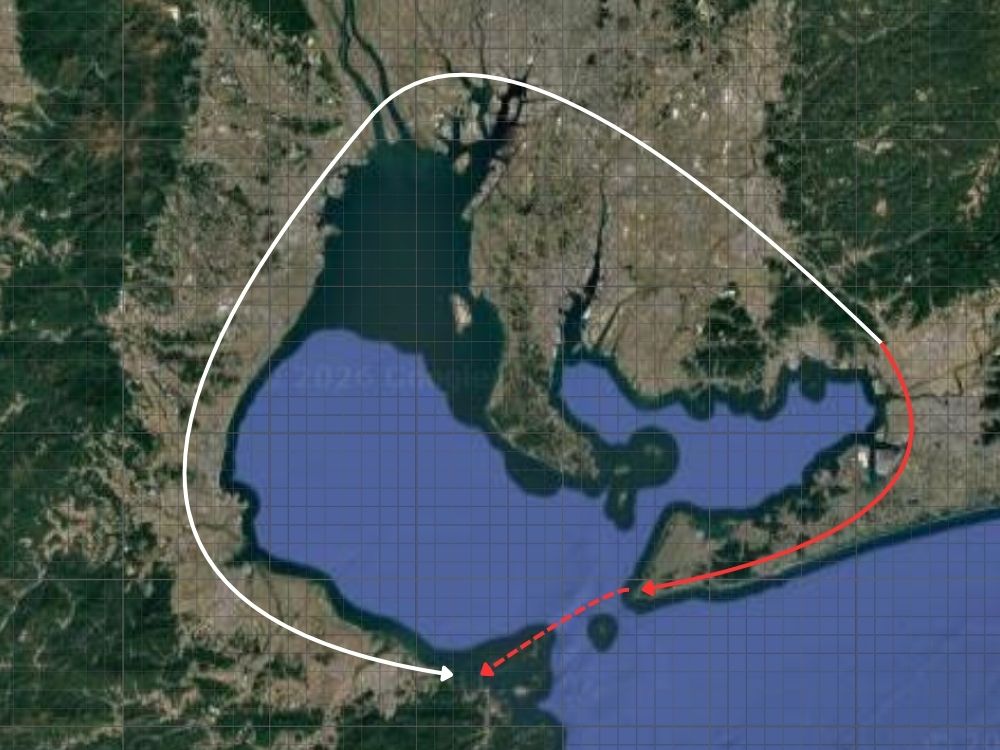
Here is the mental image of heading to Toba by getting off the Tomei Expressway midway.
The red line represents the ferry route, while the white line shows the path when using the highway.
Travel Distance and Time
Just how much of a difference is there between the overland route and the ferry from Irago, at the tip of the Atsumi Peninsula, to Toba?
If you go by land
Taking the land route (via the Higashi-Meihan or Isewangan Expressway) covers about 160km to 220km. Without traffic, it takes around 3 to 3.5 hours, though this depends heavily on congestion around Nagoya.
If you use the ferry
About 20km (55-minute crossing) + 30 to 50 minutes to get from the nearest IC to the ferry terminal at Irago on the Atsumi Peninsula.
When you factor in the travel time to the port, the total duration for “highway only” versus “taking the ferry” often ends up being surprisingly similar.
Cost Comparison (Standard Car, One-Way)
Here is a rough comparison between “Expressway Tolls + Gas” and the “Ferry Fare.”
- Using the Expressway: ¥4,500 to ¥6,500 ($30–$43) + Gas.
- Taking the Ferry: ¥7,980 ($53) (Vehicle under 5m) + ¥1,980 ($13) per additional adult passenger.
*The ferry fare for the vehicle includes the fare for one driver.
*Elementary school children are half the adult fare; one preschooler (infant over age 1) is free per paying adult.
Price Difference: The ferry tends to be about ¥4,000 to ¥6,000 ($27–$40) more expensive.
If you have a fuel-efficient car or use ETC discounts (weekends/holidays), the land route becomes even cheaper.
Ferry Schedule and Ticket Purchase
Ferries run roughly every hour and a bit from 8:00 AM to 5:00 PM (17:00).

The linked website is in Japanese only, but since it’s a simple timetable, you should be fine as long as you can recognize these two locations:• From Toba (鳥羽発) From Irago (伊良湖発)
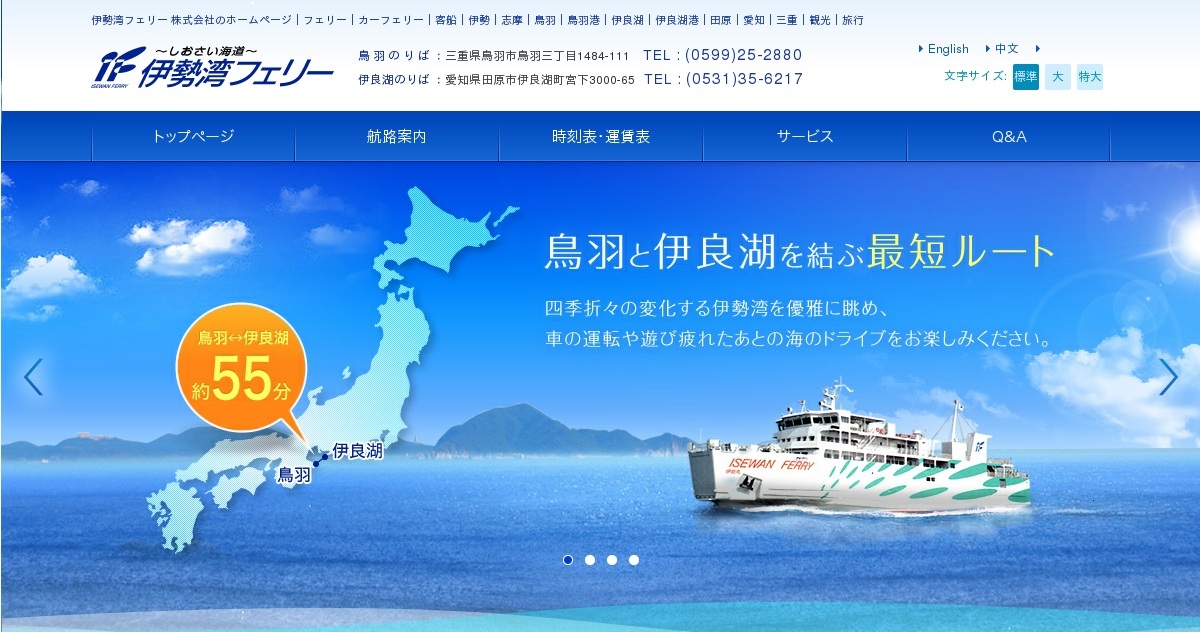
Advanced reservations are available, but since we were undecided until the last minute, we just bought our tickets at the counter on the day of travel.
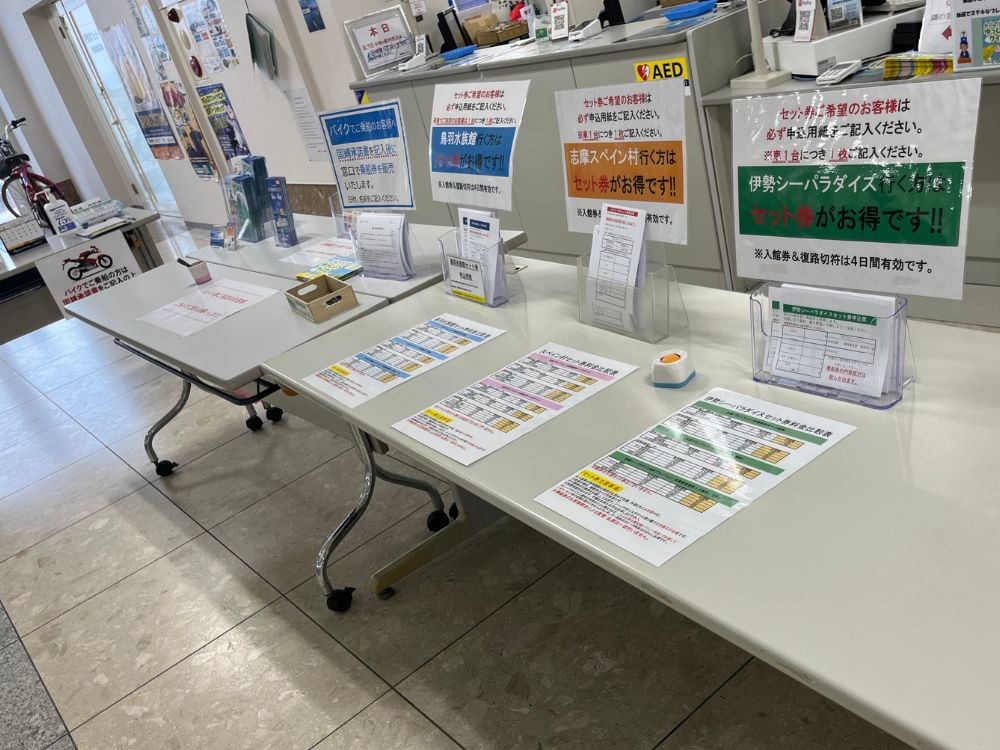
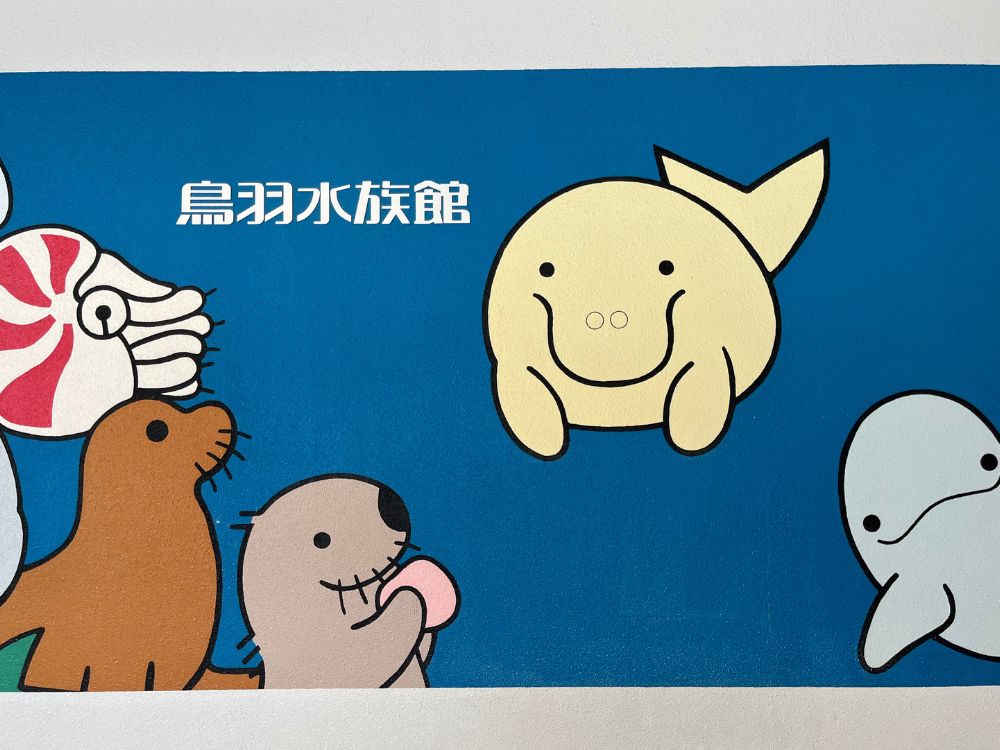
At the ticket counter, you can also purchase discount bundles for various attractions in the Ise and Toba area. For this trip, we decided to get the set that included admission to the Toba Aquarium.
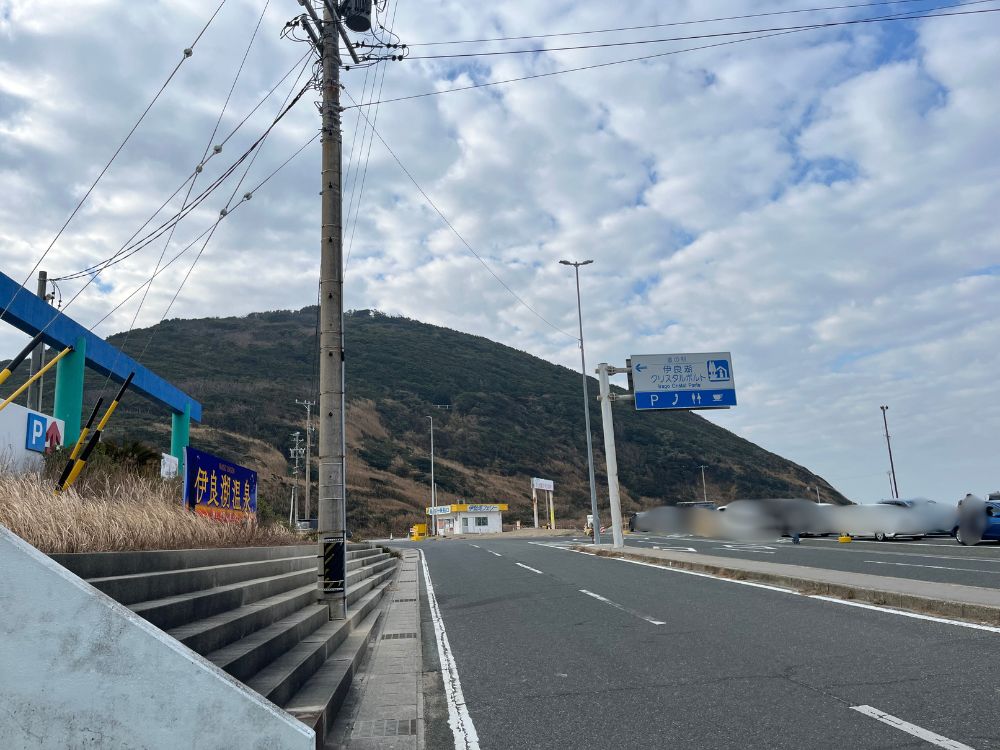
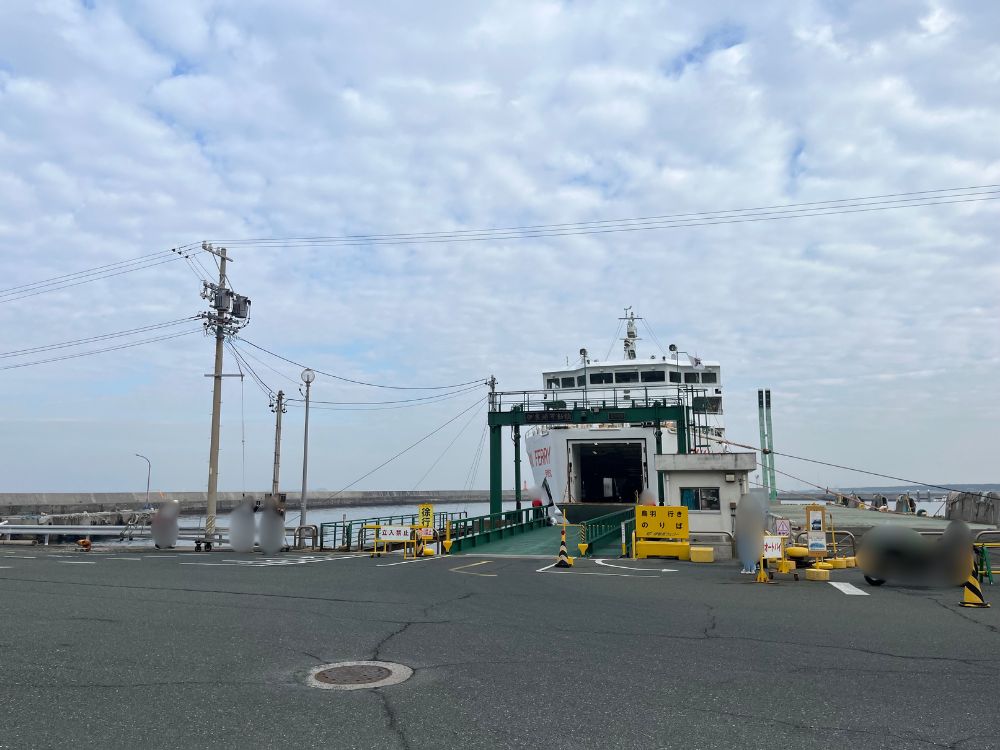
Apart from the general parking lot, the ferry terminal has a dedicated staging area for vehicles boarding the ship.
Since boarding is first-come, first-served, I recommend lining up your car in the designated lane before heading to the ticket counter.
By the way, boarding usually begins 15 minutes before departure.
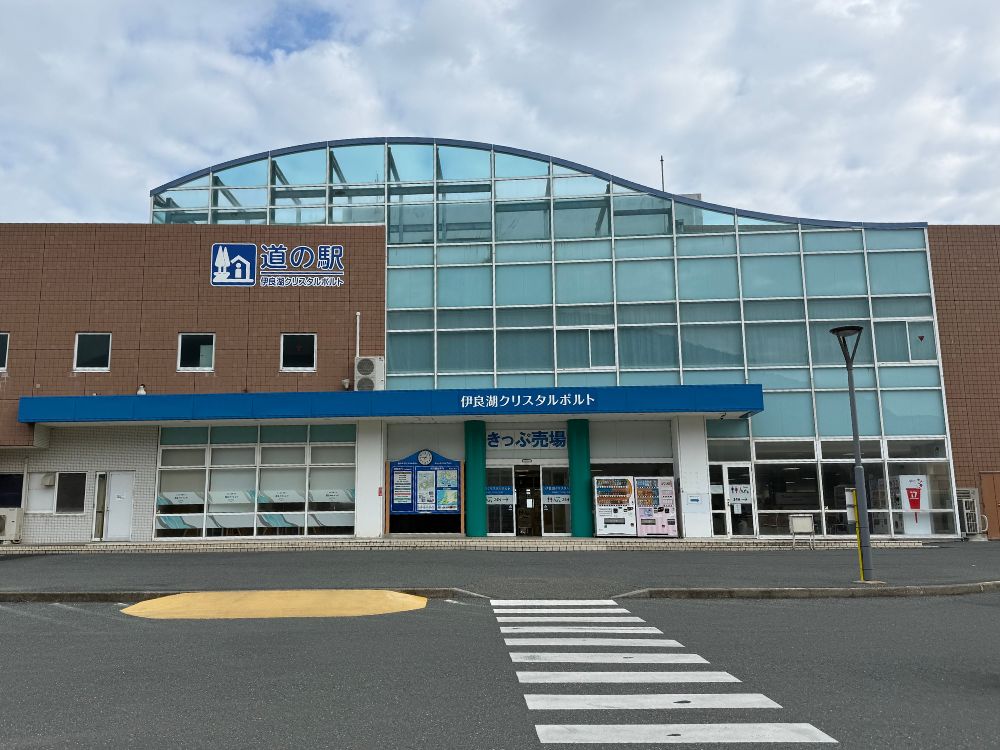
The ticket counter is located inside a “Michi-no-Eki” .
What is Michi-no-Eki?
Unlike standard rest stops, a ‘Michi-no-Eki’ is a community hub. It features farmers’ markets with fresh local produce, restaurants serving regional specialties, and shops with unique souvenirs you won’t find anywhere else. It’s like a mini-theme park for local culture!
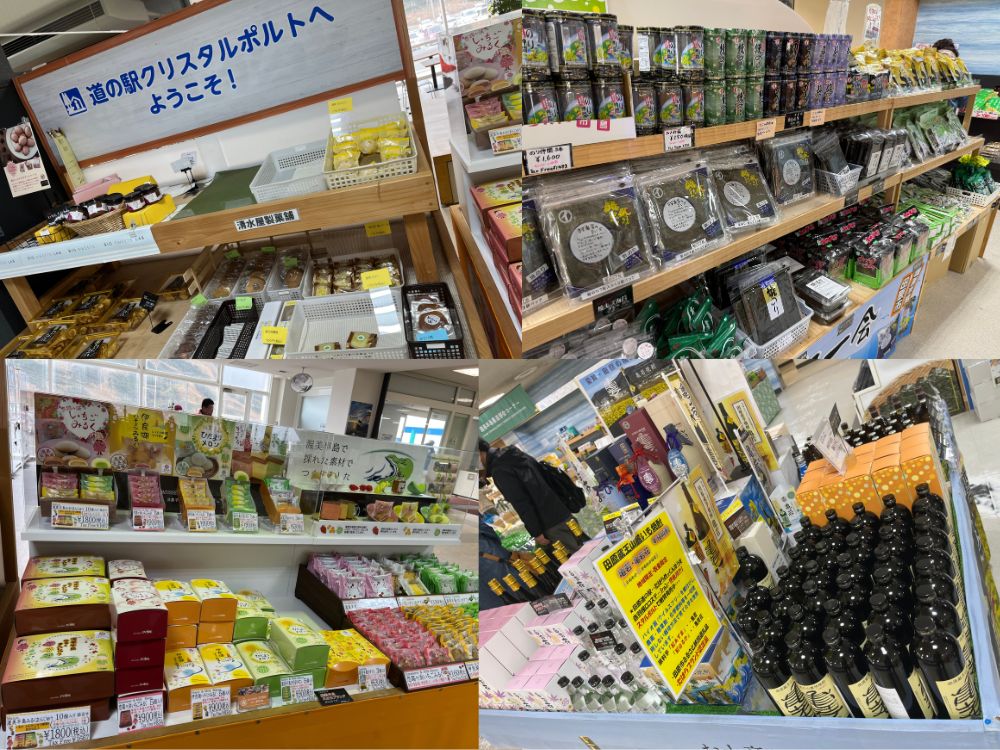
The “Michi-no-Eki” featured a farm-to-table section filled with fresh produce from the Atsumi Peninsula.
Everything looked so delicious! Since I have a huge sweet tooth, I couldn’t resist picking up a bunch of cookies and tarts—some of my absolute favorites that were on display.
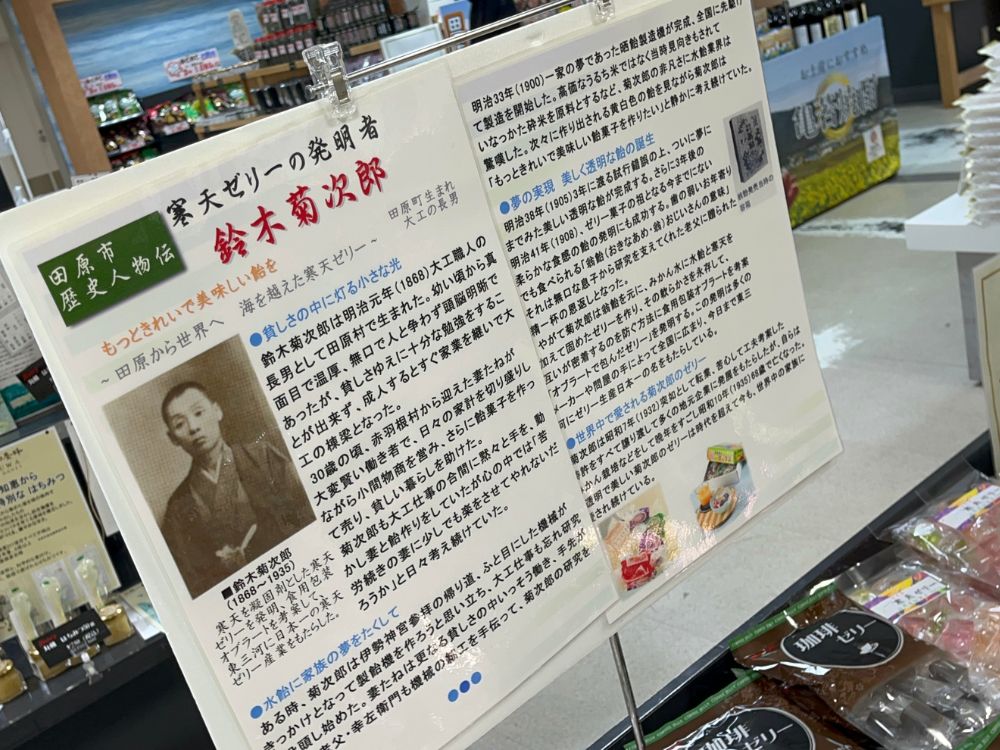
They are apparently famous for their kanten jelly and they had quite a variety on display.

While you’re at the ferry terminal or a roadside station, you must try the Kanten Jelly from ‘Suzuki Shoten.’ It’s a local masterpiece crafted by Mr. Suzuki, a dedicated artisan who uses 100% natural sea algae (Tengusa) harvested from the pristine waters of the Shima Peninsula.
Unlike Western gelatin, Kanten is 100% plant-based, making it naturally vegan and high in fiber. It has a uniquely firm yet smooth texture that melts in your mouth. Whether it’s the traditional brown sugar flavor or refreshing local fruit varieties, it’s the perfect light snack to enjoy while gazing at the sea.
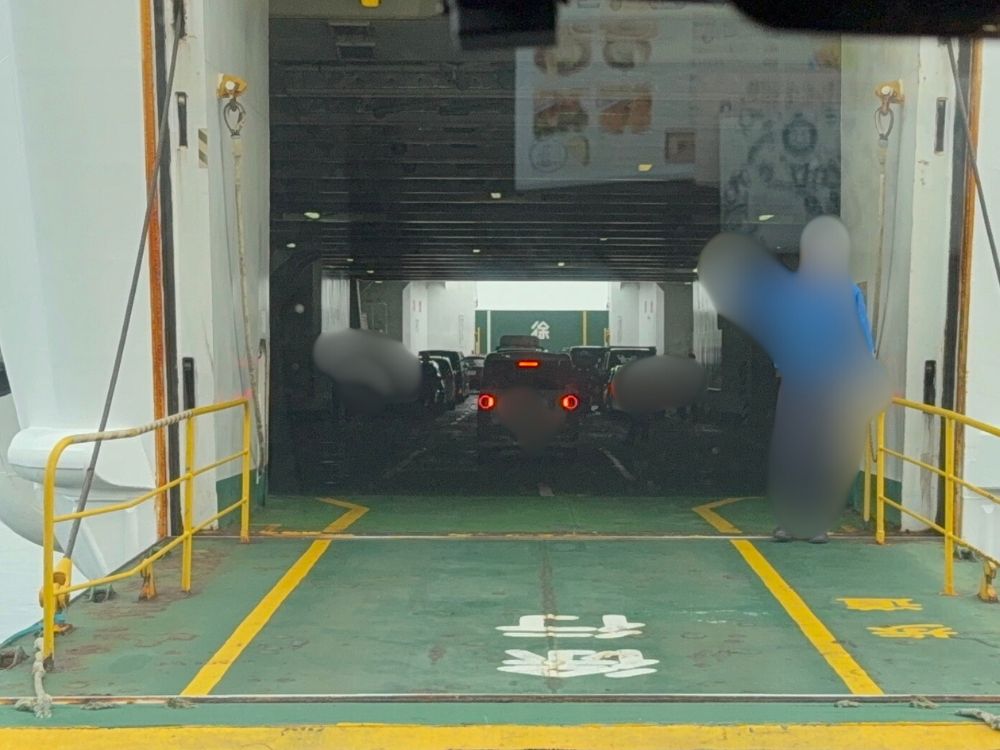
Since all passengers taking the ferry with their vehicles had to be inside their cars, I had to quickly wrap up my shopping and head back to the driver’s seat. It was finally time to board!
Inside the Ship
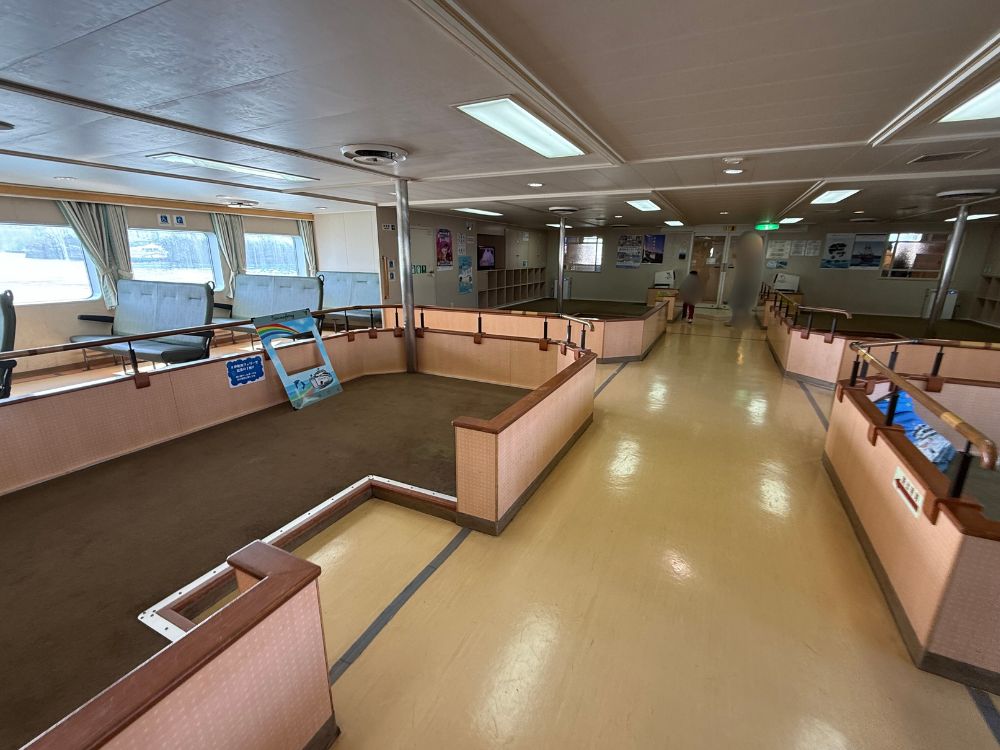
After parking the car, you head up the stairs to the upper decks.
The interior was designed to be incredibly comfortable and welcoming.
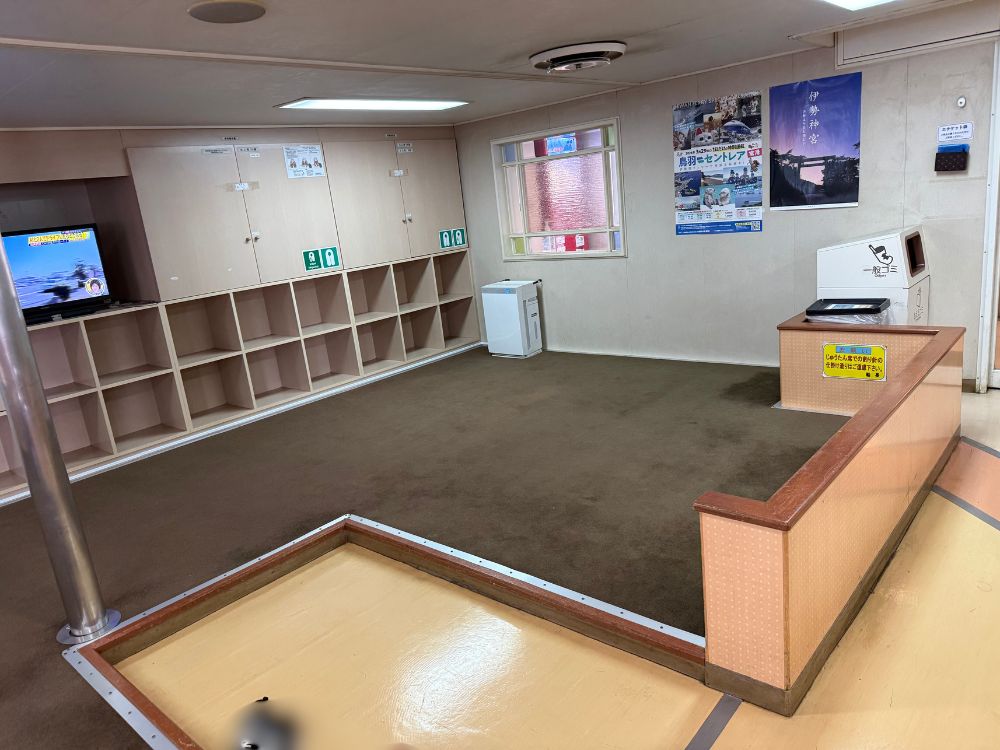
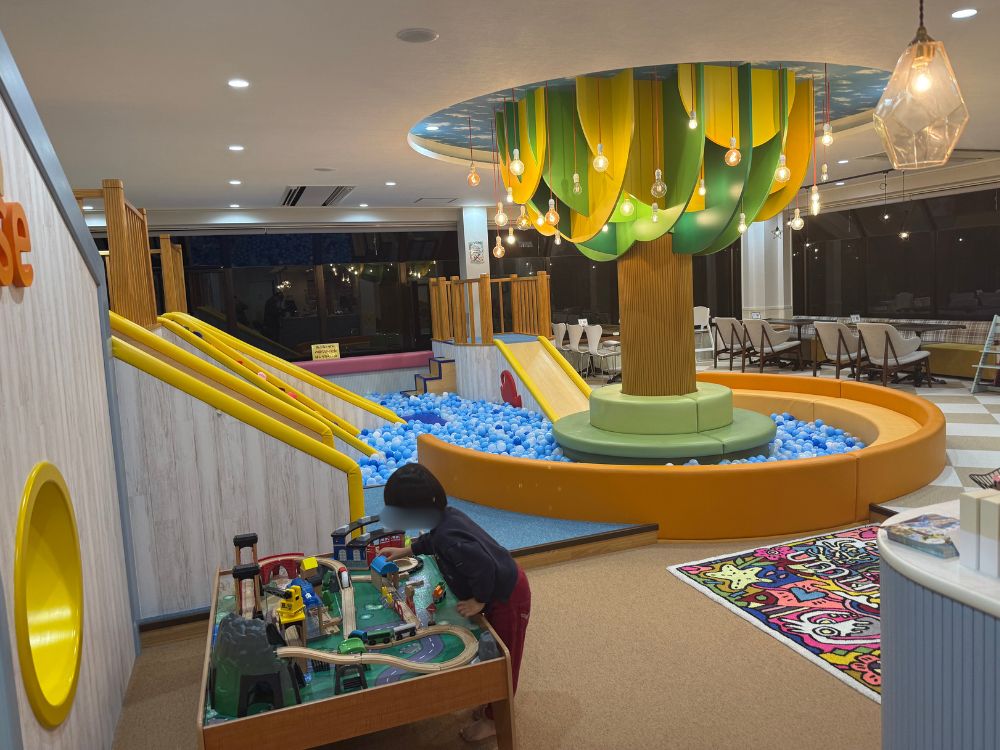
There were many families with children, and I saw little ones crawling around the carpeted area in the front, while others were taking naps in a different section. If you head further back, you’ll find the seating area with chairs.
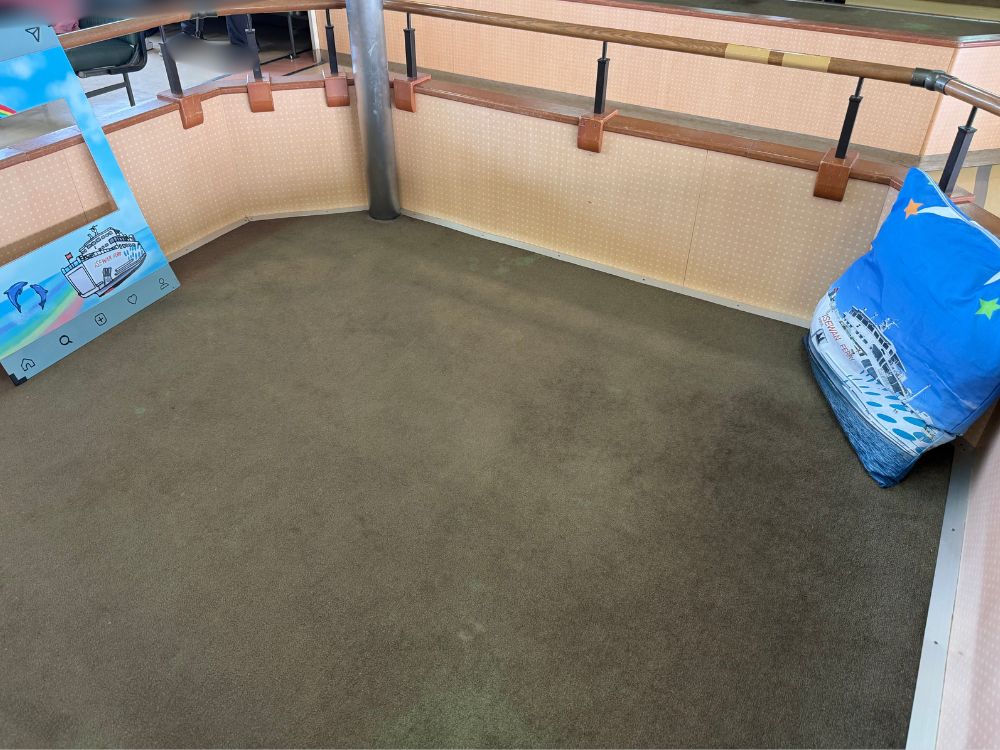
There was even a small commemorative photo corner! It’s a nice little touch for travelers looking to capture a memory of the crossing.
The Surprisingly Affordable Special Room
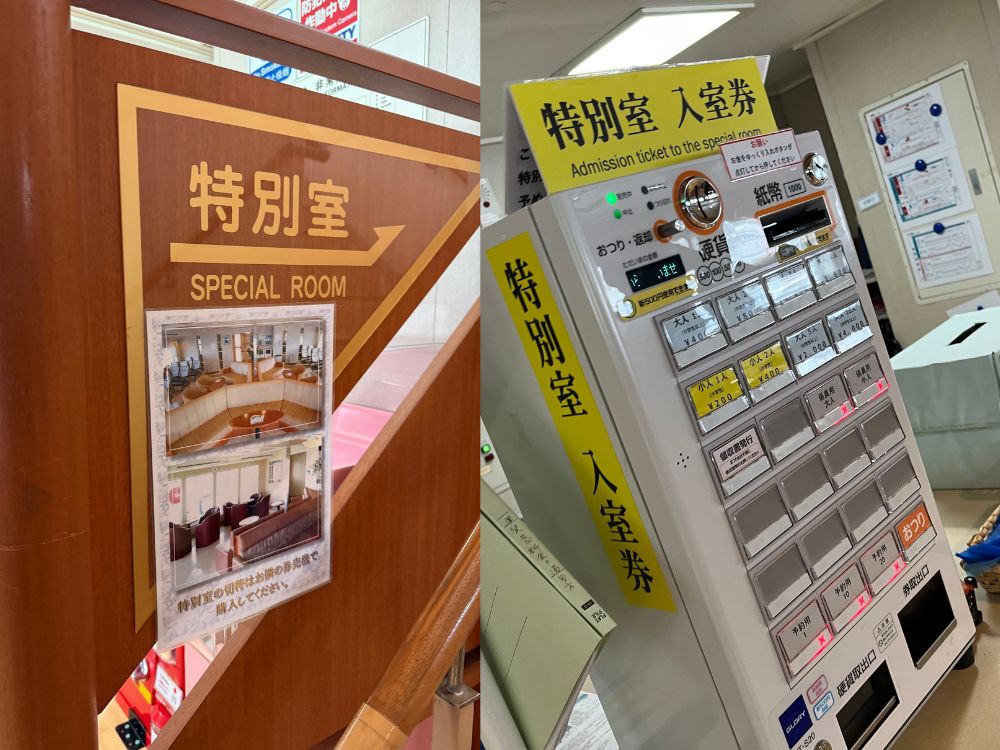
The upper deck features a paid Special Room. Since I was a bit curious, I decided to check out the VIP section!
Even though it’s “VIP,” it is very affordable at only 400 yen ($2.70) per adult and 200 yen ($1.35) for elementary schoolers (preschoolers are free).
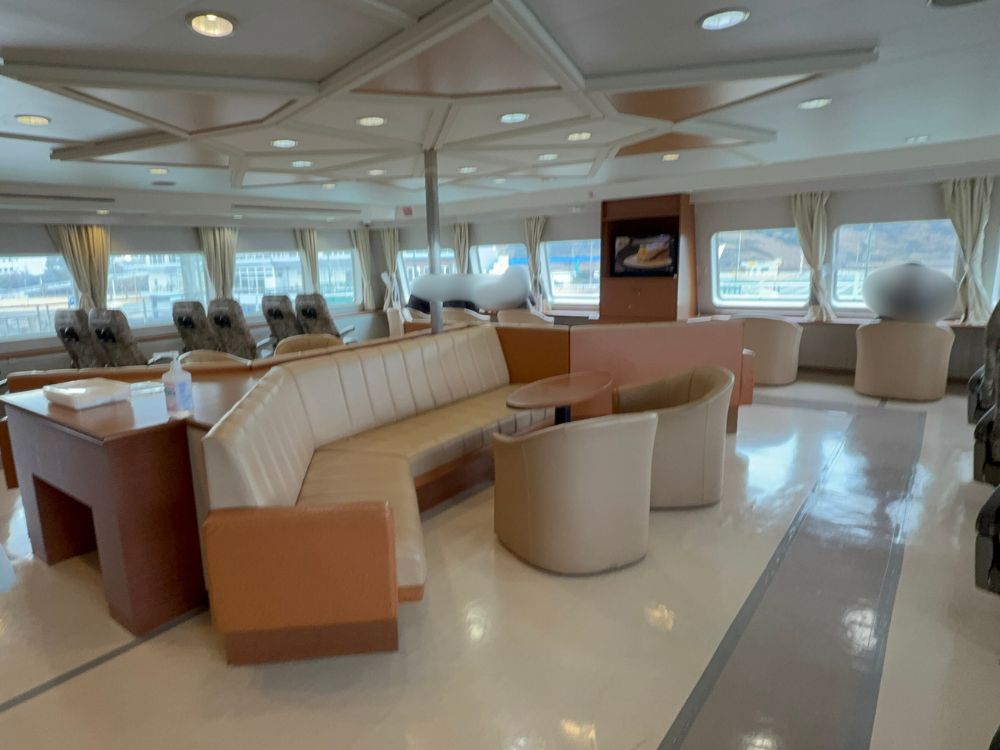
When we went upstairs, it was practically empty with almost nobody there (in the forward area)! Rather than just a “special room,” it felt like an entire spacious VIP floor.
There were upgraded chairs and even comfy sofa seats to relax in.
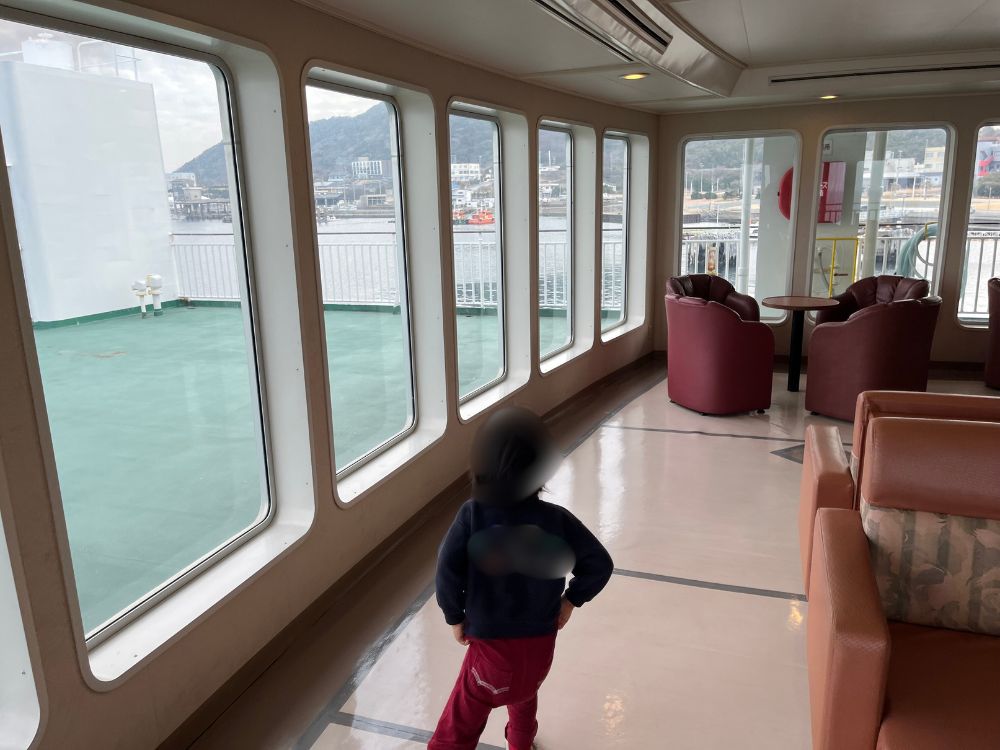
The rear area was completely empty, making it feel like we had the whole place to ourselves. We decided to take the corner seats that the children had picked out.
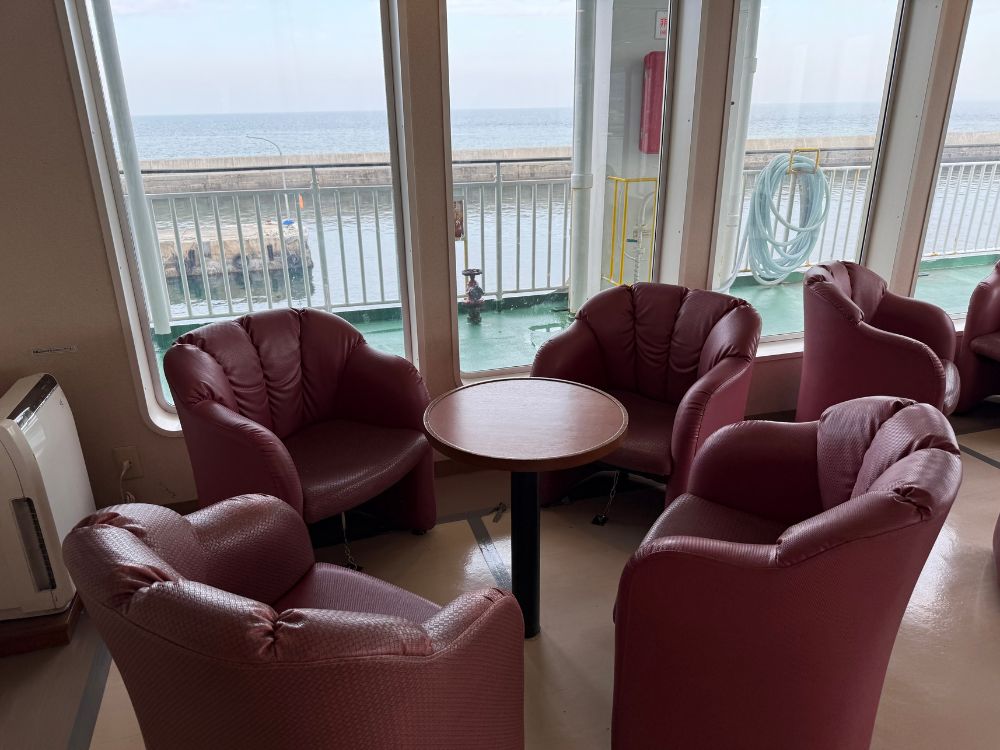
The tables were fixed in place, and the chairs were connected to the floor with chains, giving us a chance to learn all about the unique interior design specifically for ships.
About nursing room
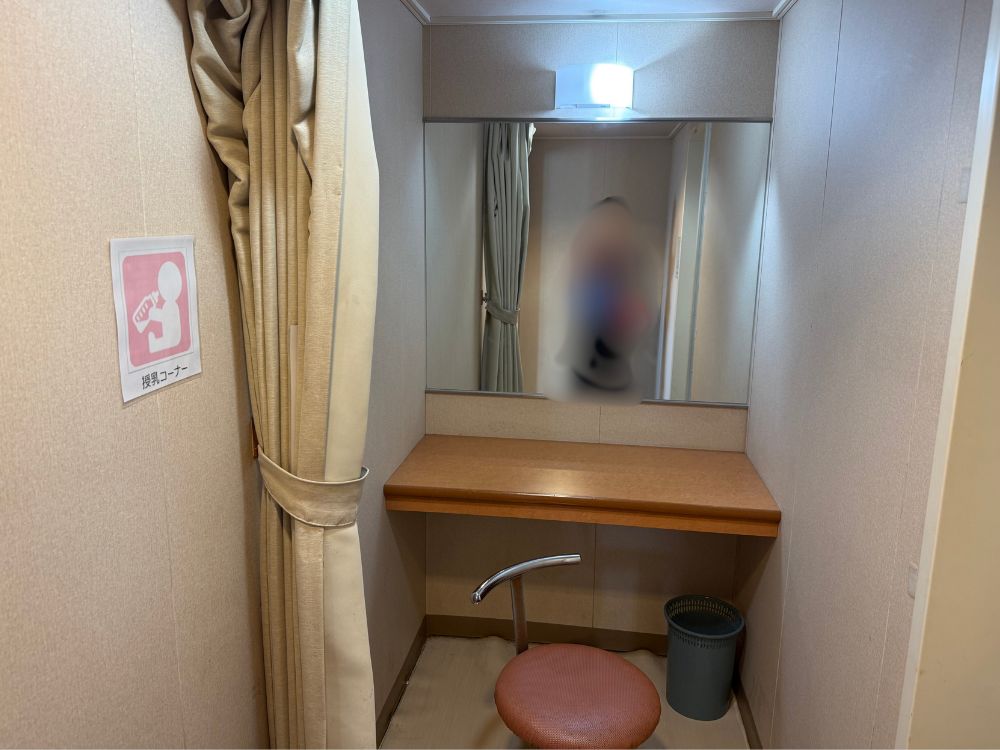
There was a nursing room right next to the restrooms in the Special Room area.
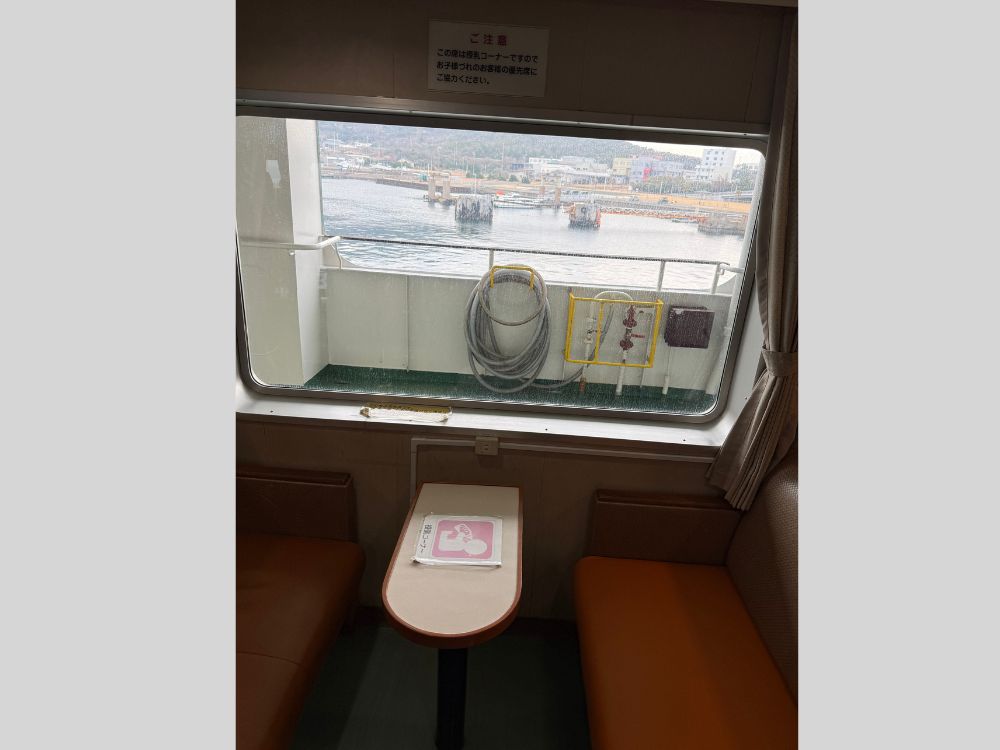
By the way, the “nursing room” in the standard seating area turned out to be just a regular seat! (lol)
The boarding time is only about an hour, so it might be possible to skip a nursing session altogether. However, if you do need one, I’d recommend either upgrading to the Special Room or checking with the staff to see if you can use that specific nursing room.
Snack time on board!
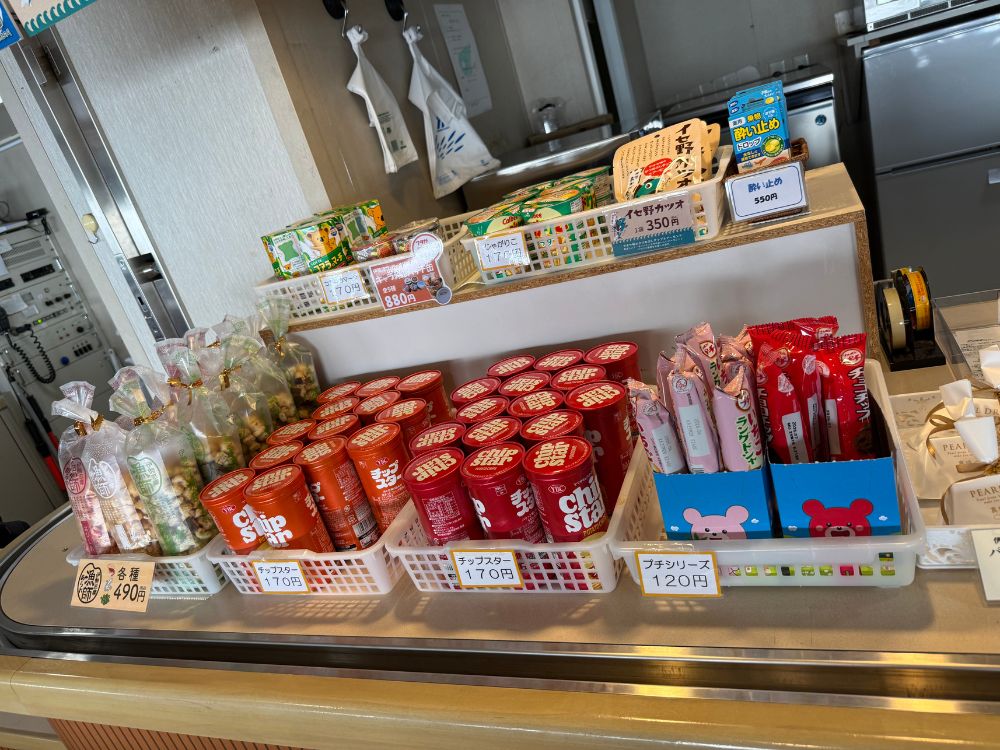
Snacks and light refreshments are also available for purchase on board.
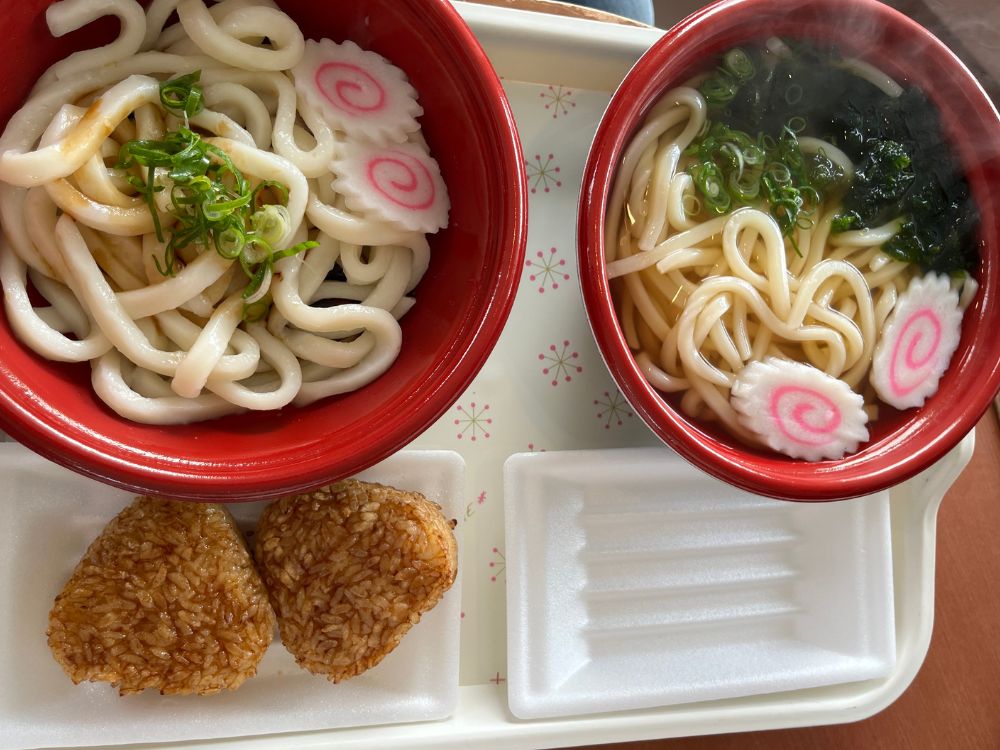
They also had Ise Udon and grilled rice balls, so we decided to enjoy them along with the snacks we bought earlier at the port. On the left is the Ise Udon, and on the right is the standard udon.
The kids ordered the standard udon, but they ended up totally falling in love with the Ise Udon!
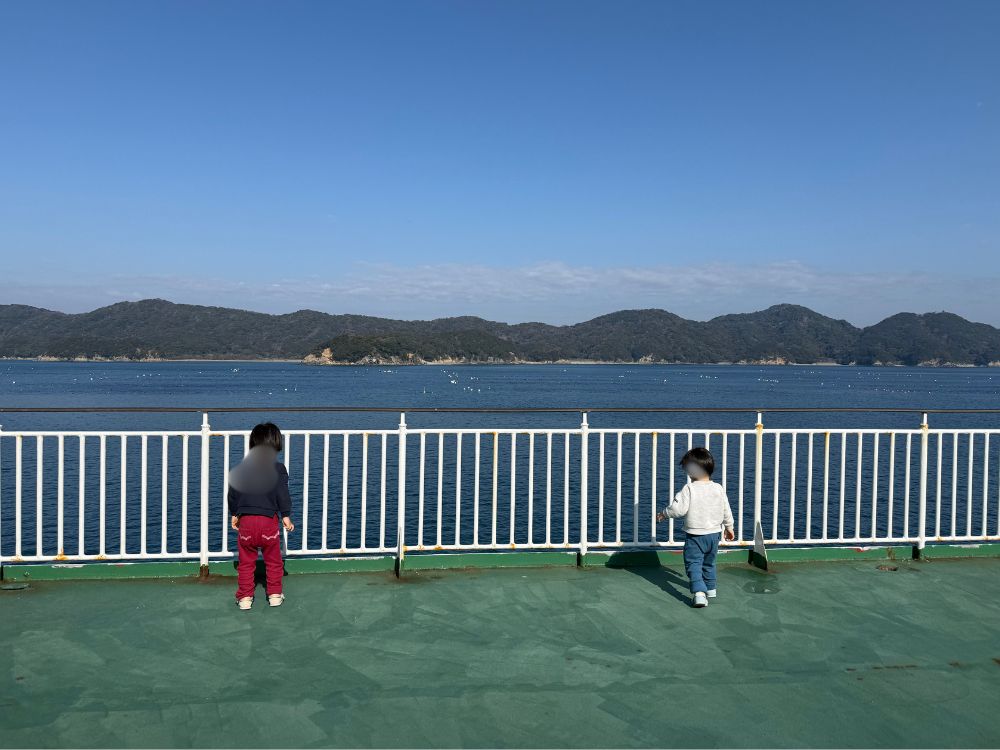
Once we filled our small appetites, we headed out onto the deck.
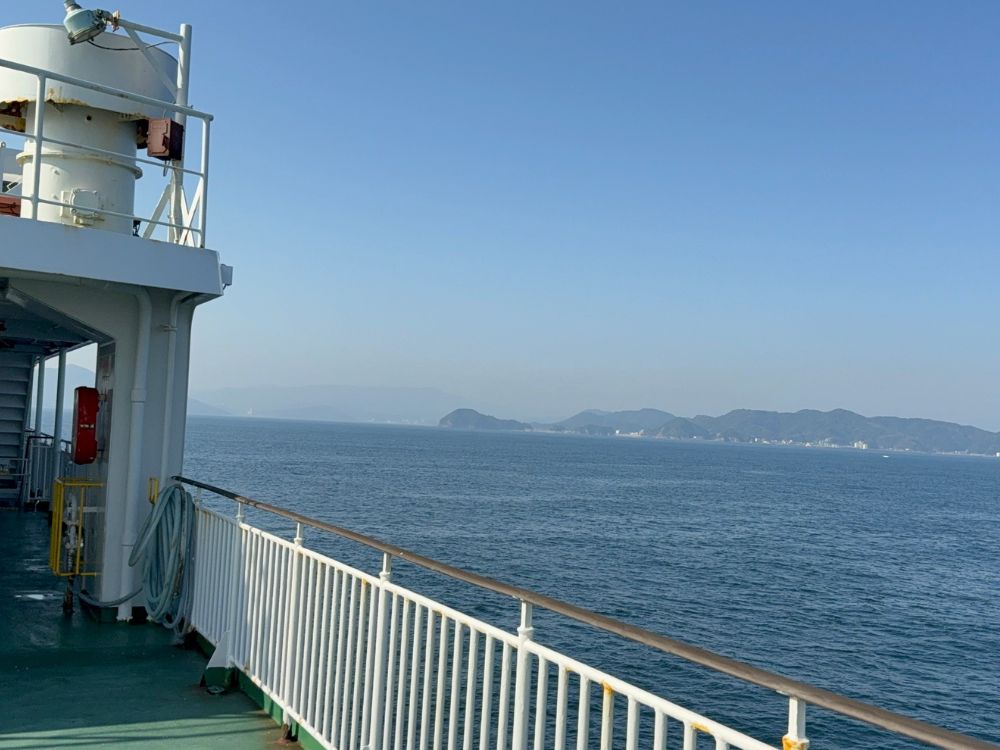
There were so many islands and ships passing by, which got both the adults and the kids super excited!
From the deck, you can enjoy a breathtaking panorama of the iconic Kamishima Island with its rugged cliffs, the historic white lighthouse of Cape Irago standing where the bay meets the Pacific, and the timeless coastal scenery that has guarded the gateway to the sacred Ise Grand Shrine for centuries; on a clear day, you might even catch a glimpse of the majestic Mt. Fuji in the far distance, and if you are truly lucky, the rare Finless Porpoises (Sunameri) will leap from the waves to greet you!
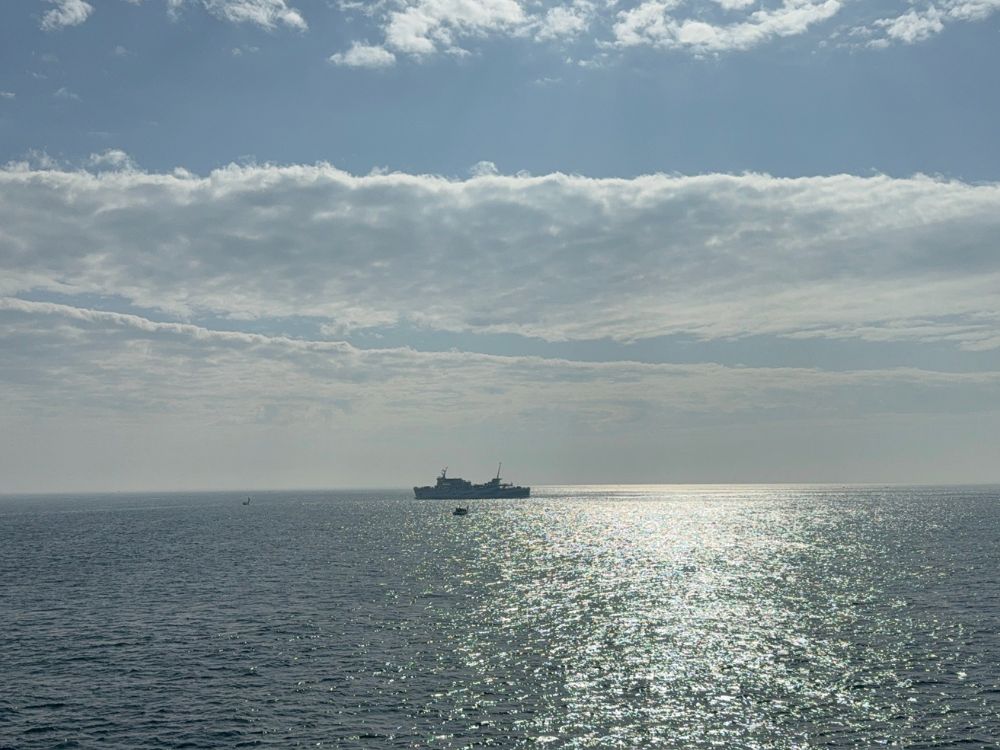
On the way, we passed another ferry coming from the direction of Toba.
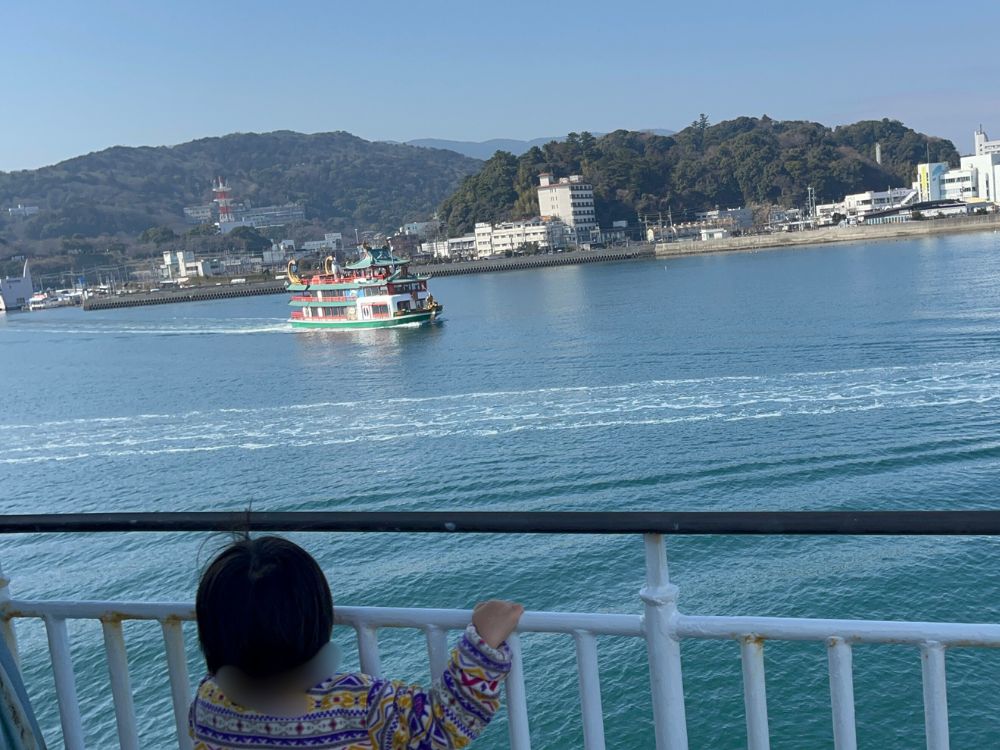
The lush, green rias coastline of Toba started to draw closer.
Some nearby sightseeing boats were also cruising close by.
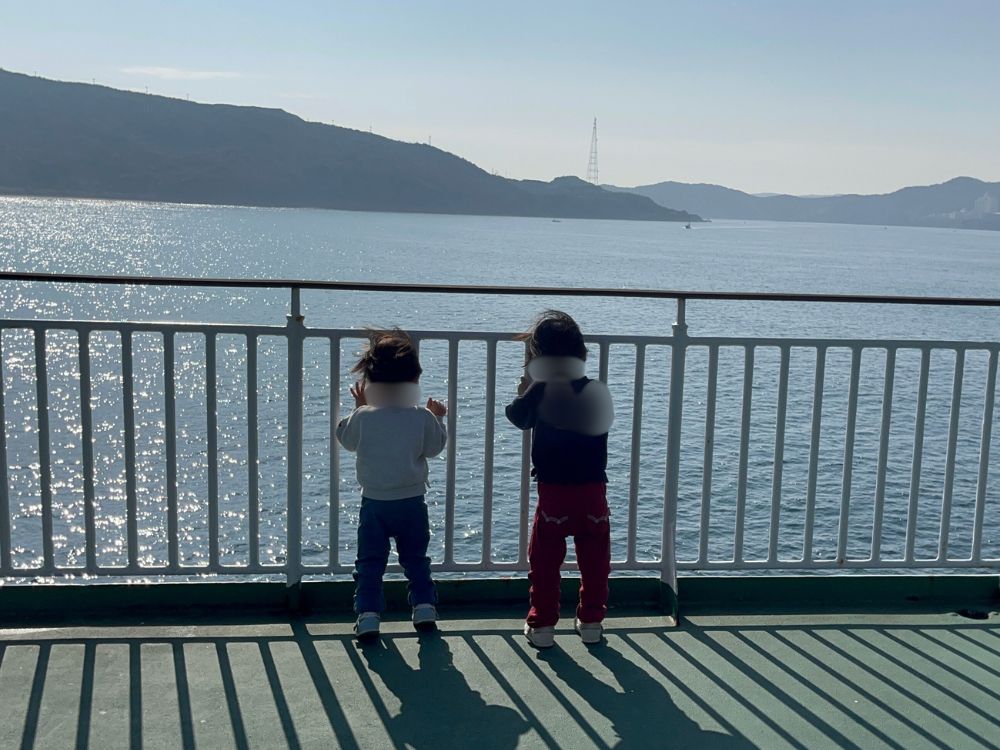
The gaps in the fence were narrow enough that a 2-year-old wouldn’t fall through, but you still need to be careful with little ones (especially their shoes!).
The boarding time is only about 55 minutes, so between enjoying the scenery and the snacks, we arrived in the blink of an eye. We hurried back to the car so we wouldn’t be late getting off!
souvenirs!
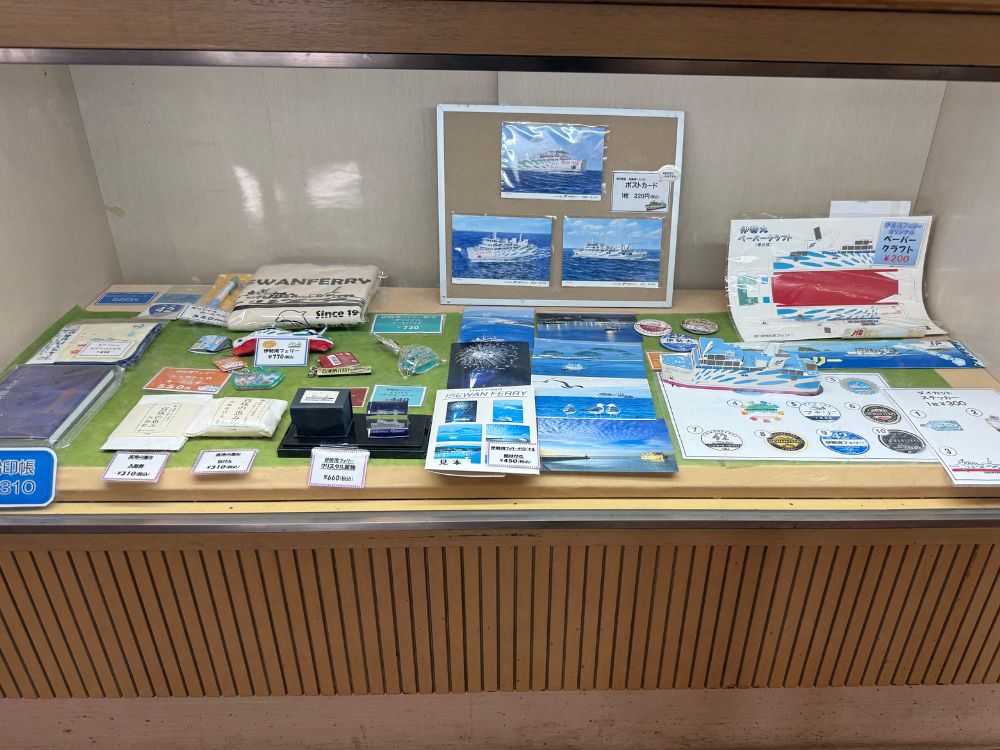
They were selling ship-themed souvenirs right next to the snack counter. Most of the items were things I hadn’t seen anywhere else, so I grabbed a keychain with a little ship floating inside as a memento!
Conclusion
While the total travel time to Toba might be comparable to driving, taking the ferry during the day offers a far more rewarding experience. It’s the perfect chance to rest your hands from the steering wheel, escape the highway traffic, and let the ocean breeze refresh you.
Crossing Ise Bay is more than just a commute; it is an opportunity to breathe in the history, taste the abundance of nature, and experience the timeless beauty of Japan.
I hope this post helps you plan your trip!
If you’re traveling with little ones, I hope our experience gives you some useful tips for a smooth ferry ride.