
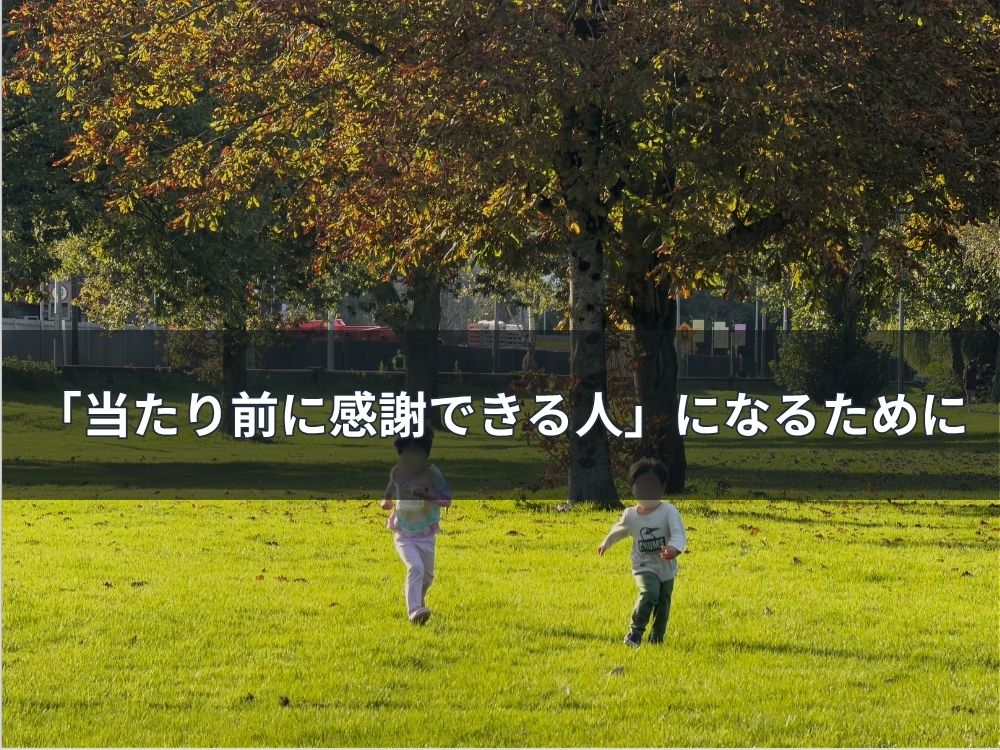
When something you’d always taken for granted suddenly becomes impossible, that’s when you realize just how precious it really was.
As an adult, you can usually talk yourself into feeling grateful for where you’re at. But teaching kids that same sense of gratitude — appreciating what feels completely normal to them — is a lot harder.
Our move abroad ended up teaching my kids a little bit of that lesson, so I wanted to write it down before I forget.
My Older Son’s Treasure: Plarail
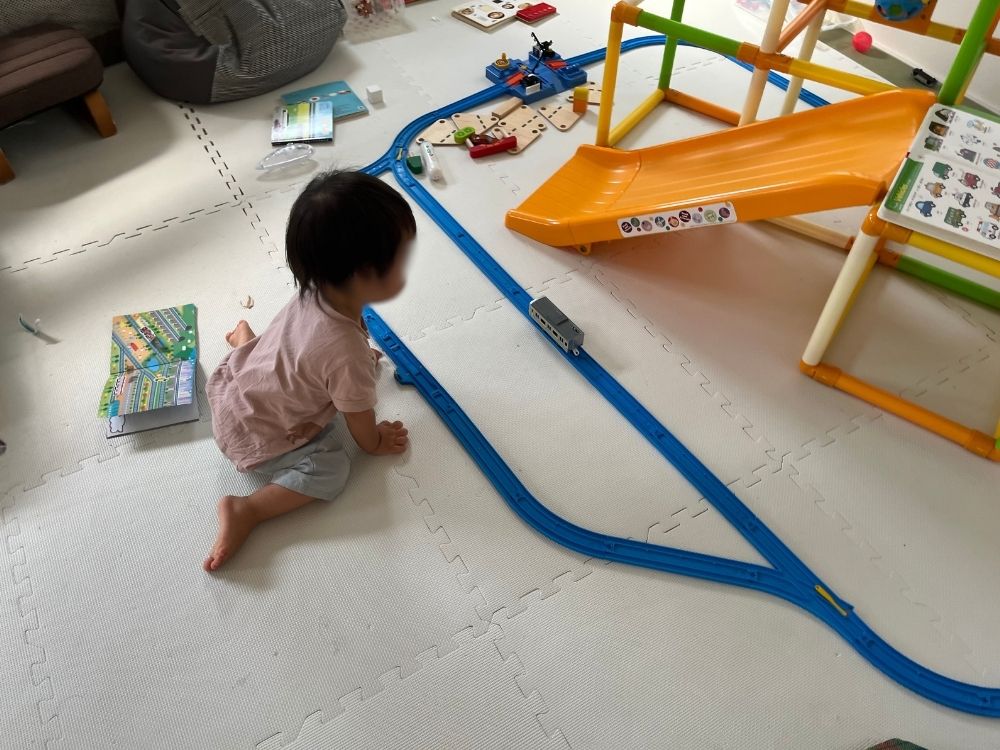
My older son loves trains. No one else in our family is particularly into trains, and we hadn’t given him any train toys — but the second word he ever said, right after “Cha-chan,” was “densha!!” (train!!).
He’d light up with excitement whenever we stopped at a railroad crossing, and watching him push his building blocks around like they were trains made my husband want to buy him Plarail (a classic Japanese toy train and track system by Takara Tomy) — ha.
Personally, I thought it was still too early — he wasn’t even one yet — but we ended up giving it to him anyway.
From there it was one meltdown after another — fussing because the tracks wouldn’t connect right, fussing because he wanted more track pieces, fussing because he wanted to make it longer, fussing when the train derailed… (ha)
It was a rough stretch, but once he turned 4, he could finally handle it all on his own! After that, my job shrank down to just being a passenger, with the occasional bit of help.
But my younger son, two years behind him, was now on that same path — plus an extra layer of wanting whatever his older brother had.
My younger son kept grabbing everything his brother had carefully built, sometimes breaking it even without meaning to, over and over — and my older son started getting frustrated too.
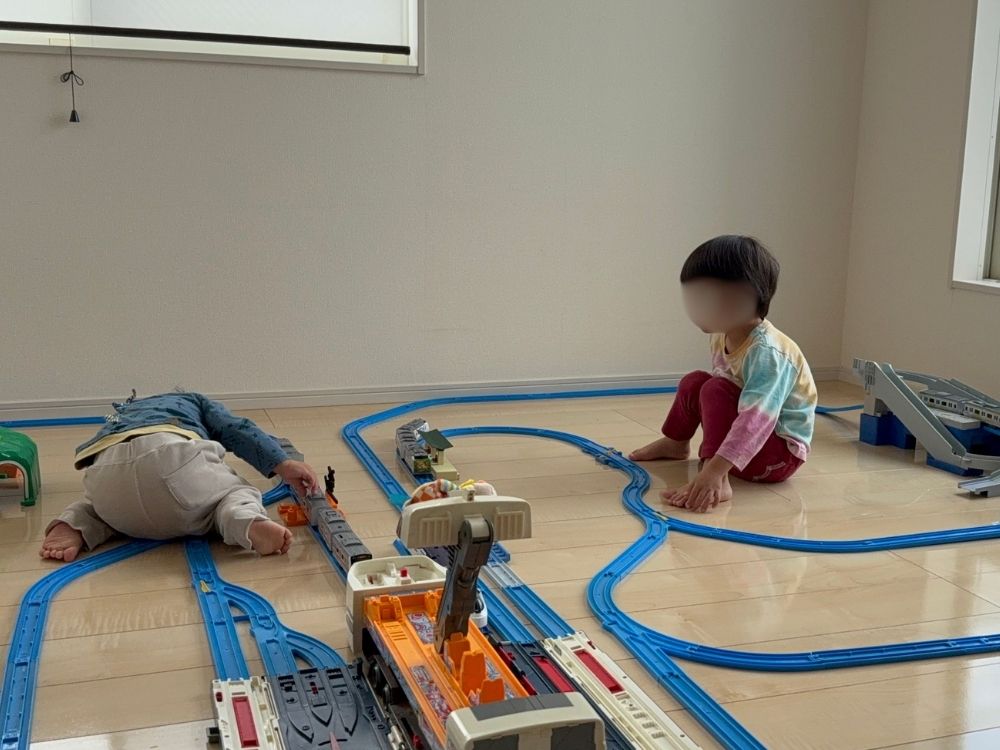
We bought more pieces, carved out more space, and having more options to choose from helped a little — but as long as my younger son kept taking things, it was fight after fight.
Moving Abroad
When my older son was 4 years and 9 months old and my younger son was 2 years and 9 months old, we moved abroad for my husband’s job.
I knew perfectly well that Plarail was their absolute favorite toy, but they fought over it so much that I seriously debated whether to even bring it.
I even considered just telling them, “Plarail can’t cross international borders.”
The main reasons were wanting to keep our luggage to a minimum, and the fact that since our time abroad was limited, I figured they’d be old enough to play together nicely by the time we moved back.
Sealing Away the Plarail
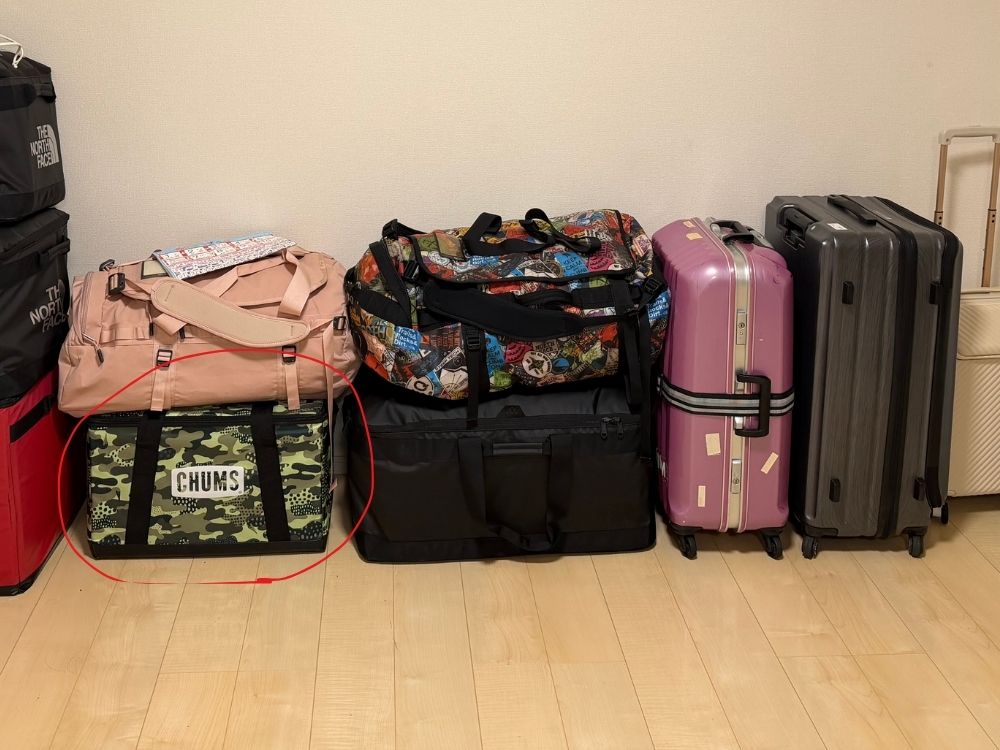
For my older son, trains were his favorite thing in the world, bar none. I also figured the kids would have their own struggles adjusting to a new country, so in the end, we decided to bring it along, hoping they’d grown enough to handle it — and if not, we could always seal it away again.
It took a little over two months between leaving our house in Japan and being able to move into our new place, and the Plarail stayed completely sealed away the whole time.
If they ended up forgetting about it entirely, I’d decided I would just keep it hidden away for good.
Plarail, Two Months Later
I wondered if they’d forgotten about it. They hadn’t, not even a little.
The moment we told them this was our new home, my older son was already happily figuring out where he’d set up the Plarail. My younger son, completely independent of his brother, kept asking “Where’s the Chuo Line?” over and over — and that’s when I thought, maybe it really was worth bringing after all.
We opened it back up with one rule: “No fighting, take turns, and if you can’t do that, it gets put away again.“
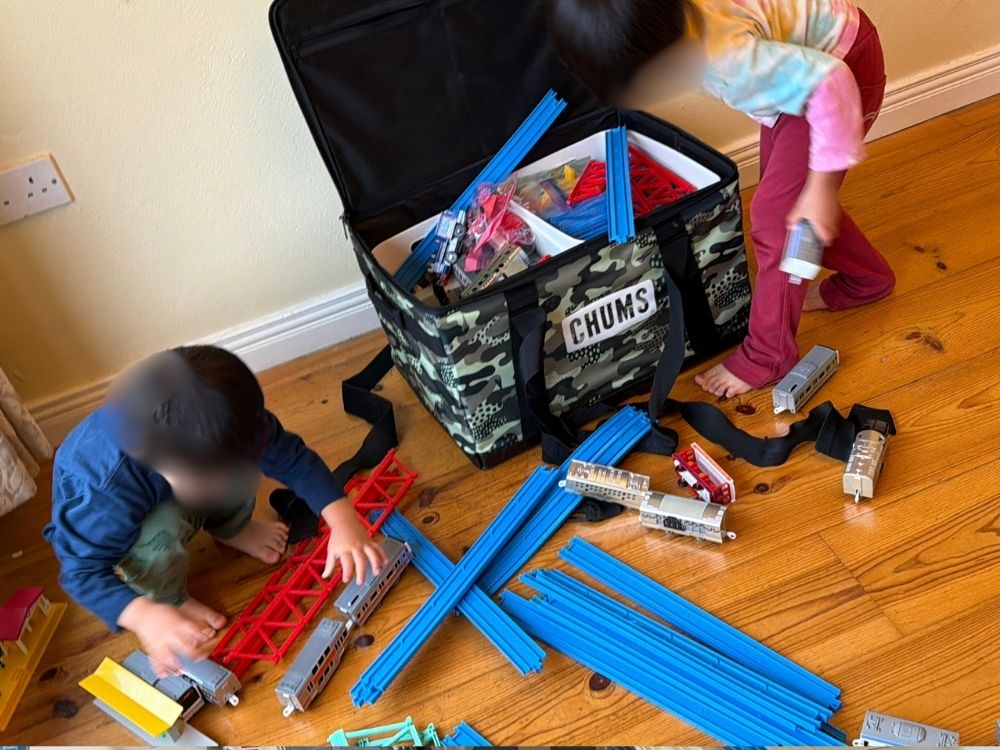
At first, they were genuinely, surprisingly happy about it — both of them handing each other the trains they each loved, and whenever my younger son got stuck, my older son would say things like “I’ll do that one” or “Here, you do it like this, and then it’ll work” — some really lovely words of encouragement, especially from my older son.
My younger son was even able to ask, “Can I use this?” — and for a brief moment, I let myself hope, “Maybe this is actually going to work!” But that hope didn’t last long, because he went right back to grabbing his brother’s things (sob).
I genuinely considered sealing it all away again (ha). Even so, my older son really seemed to understand the situation, and started negotiating and compromising.
My younger son, too, eventually ended up playing with something else and letting his brother have what he wanted. I think the fact that this had been impossible for a while, even briefly, is exactly what let them actually feel the joy of being able to do it again.
Nothing You Take for Granted Lasts Forever
I found myself thinking about why watching my kids fight over Plarail got under my skin so much.
I think it’s because it’s genuinely a privileged situation that I’d started taking for granted — I’d pictured them happily playing together when I gave it to them, and it was sad to see that end up causing so much frustration instead.
I wanted my kids to learn to appreciate what they have instead of taking it for granted — but thinking about it more, I realized the exact same thing applies to me.
It’s that watching them fight, watching them play with Plarail — none of it lasts forever. It’s all precious time.
Why Do We Start Taking Things for Granted?
I got curious about why people start taking things for granted in the first place, so I looked into the psychology behind it a little.
It turns out this phenomenon has a name: “hedonic adaptation (the hedonic treadmill).”
It’s a psychological phenomenon where, over time, the brain’s reward system habituates — basically gets used to it — and settles back down to its original baseline.
And the mechanism underlying it all is homeostasis.
The brain has a natural tendency to keep our emotional state steady, and if intense joy went on indefinitely, it would apparently throw that balance off — so for safety’s sake, the brain pulls things back to “business as usual.”
So the mechanism of homeostasis is what produces the phenomenon of hedonic adaptation.
So How Do You Learn to Appreciate What You Have?
You can’t really fight this “pull back to normal” directly, but you can deliberately shift your perspective. Pausing to ask yourself, “What if I couldn’t do this anymore?” or “What if I or someone I love got sick?” is said to help you look at your current situation more objectively, and rediscover gratitude for what had quietly become ordinary.
This method has a name too: “mental subtraction.”
A 2008 study found that this — imagining losing something and then returning to how things actually are — boosts feelings of happiness more strongly than simply counting your blessings.
In Summary
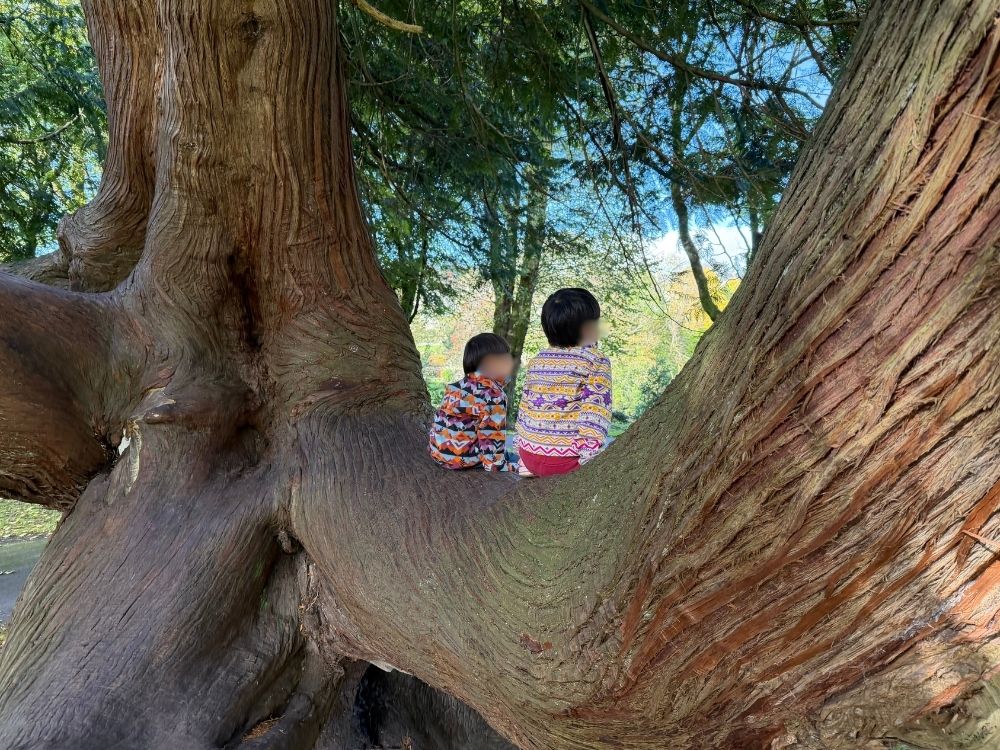
When my kids were babies, I raised them on pure, uncomplicated love — they were just so cute, so precious.
But as they’ve grown, I’ve started thinking more about how I want to raise them.
In the middle of that, when I ask myself what kind of adults I want them to grow into, there’s one answer I keep coming back to.
That’s someone who can appreciate what they have, rather than taking it for granted.
There are a lot of different things that count as “education.” Academics are, of course, part of it. But I don’t think being good at schoolwork alone is enough to make someone a genuinely wonderful person.
Right now, both my kids and I are in an incredibly fortunate situation. But none of us knows when that might change.
And I believe that whatever situation you find yourself in, being able to appreciate what you have makes for a happier life.
So more than anything, I want my kids — and myself, too — to appreciate what we have right now, and treat each day as something worth cherishing.
Thank you so much for reading all the way to the end.